Retail Bags
For all your retail bag needs

Retail bags
Buy crystal clear polypropylene display bags to make any product or retail display sparkle.
Try this extensive range of carrier bags for the best selection of the popular retail bag used by shoppers everywhere.
Retail bags are…
- Any bags used within the retail sector, including...
- Shopping bags, carrier bags, display bags, produce bags, packing bags and mailing bags
- Available in a range of styles, shapes, sizes and thicknesses to suit the job in hand
- Used to support every aspect of a retail business, from displaying products (display bags) to packing food or other items (packing bags) and allowing customers to collect produce (produce bags) to helping them carry their shopping home (carrier bags)
- Usually made from polythene, although some retail bags are made from other materials
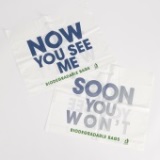
- Often available in a biodegradable alternative to polythene (e.g. biodegradable carrier bags), thus helping to show your customers that you care about the environment
- Also made from paper (e.g. brown or white paper bags, take away carriers, high end flexiloop shopping bags)
The term ‘retail bags’ is used to describe a wide variety of bags used within the retail sector to cover a range of tasks from storing to carrying products and making life easier for both the retailer and the consumer alike.
Retail bags actually included a number of other ranges of bags that have their own specific name - including but not limited to carrier bags, produce bags, packing bags, mailing bags and others - and are a standalone type of bag in their own right. They are grouped together under the broad term ‘retail bags’ as they are all used within the retail environment.
What people in the street might say about food pouches
Pouch bags are chosen because they give flexible protection without the bulk of a rigid container, which makes them easier to store, transport, and pack into mixed consignments. A superb pouch relies on the proper material gauge, seal quality, and laminate structure, since weak film or poor sealing can lead to leaks, split corners, or damaged stock amid handling. They also work well where secondary packing requirements to stay light, because folded bags take up small warehouse space and speed up select-face replenishment. That said, the format only performs properly when the pouch matches the product weight and the filling line, otherwise wasted film and handling problems soon follow.
Compostable food bags still need to dash cleanly on packing lines, because a material that behaves badly in filling equipment soon creates waste long before it reaches any composting system. Films that are also brittle can crack at the seal or split when chilled manufacture settles inside, while a grade that is also soft may stretch or misfeed and cause poor sealing. That puts proper pressure on blend control and gauge consistency, since a bag can see sound in store tests yet fail below normal shop-floor handling. A sensible specification is the one that retains production proper without adding unnecessary material.
Biodegradable food bags only perform properly when the film or laminate is controlled to a tight spec, because a small shift in blend or gauge can affect sealing far above a casual inspection would recommend. On the converting line, uneven melt behaviour changes how the material responds to heat and dwell time, so one reel may dash neatly while the next gives weak seams or distorted edges. That matters in fast packing lines where occupy speed is high and bags are then pushed into secondary packaging, because poor seal quality fast turns into handling damage and pallet instability. A well-judged specification retains the pack light without making it flimsy, which assists maintain sensible material use through the all supply chain.
stand up pouches
Stand up pouches work well for dry foods because the bottom gusset gives the pack a stable base and a tidy shelf shape without needing a rigid bottle or tub. That stability matters in filling, case packing, and shopping display, because a pouch that leans or collapses creates handling damage and sees untidy on the shelf. Clear windows assist check the contents, while kraft or plain film can give a more normal see for oats, grain, or snack food. The proper film gauge and seal quality also determine how well the pack survives transport and stacking. A pouch that stands properly saves space and presents cleanly from filler to shop floor.
Stand-Up Pouches - Global Market Outlook our telephone
Stand-up pouches have gained ground in food and drink because they use less material than plenty rigid packs while still giving a stable shopping shape. That matters in the warehouse as much as on the shelf, where lighter packs improve pallet build and reduce handling damage amid secondary packing and dispatch. Film selection and seal quality still determine whether the pack performs properly, particularly when products are wet, oily, or need a long shelf life. A weak seal or poor gauge balance can waste product and create returns. For plenty lines, the pouch works optimal when the specification matches the filling process rather than only the shelf display.
Clear stand-up pouches demand tight control of the film because any disadvantage shows up at once. A small change in gauge can leave the pouch also soft to stand properly, while a thin patch may wrinkle, distort, or open poorly on the sealing jaws. That matters on a filling line, where delays are expensive and a poor seal risks later leaks. Puncture resistance also has to be judged carefully, particularly when the product has sharp edges or drops in unevenly through dosing equipment. Steady converting and a sensible seal window assist the pack stay tidy from filling through storage and dispatch.
Details about 25 Silver/Clear Stand Up Pouches - 6" x 9" x 3" - 8oz - packaging supplierble Ziplock Bag
Clear stand up pouches work optimal when the material selection matches the filling job and the journey afterwards. A pouch that sees tidy on the shelf can still fail if the film is also soft, because the pack slumps on the pallet and loses shape in transit, while an overly stiff grade can slow the line, shed dust into the seal area and create awkward occupies. At around an 8oz size, the format requirements enough strength to retain its base open, enough flexibility to seal cleanly, and enough body to grasp its form below stack pressure. When those points are balanced properly, the result is cleaner filling, less rejects and better handling through products-in and dispatch.
A biodegradable stand up pouch only works properly when the laminate is matched to both the product and the line speed. PBAT gives the film enough stretch to seal and flex, while PLA assists the pack grasp its shape and print cleanly, nevertheless the mix has to be controlled carefully or the gauge wanders and the reel behaves badly in converting. For nuts and similar dry foods, the proper test is not only containment nevertheless keeping out moisture and oxygen while the pouch still stands neatly at the shelf edge. If the structure is also stiff, the base crease can crack below pallet pressure; if it is also soft, the load shifts and the all stack loses stability.
custom printing white stand up pouches
White stand up pouches need firm dispatch control because their display face and seal area are easily labeled once packs beginning moving through the warehouse. A pallet can appear sound, yet a crushed carton edge or a poor slip sheet selection can leave creases across the front panel before stock reaches storage. That matters with a white stop, since scuffs and dents display up more readily than on darker material and can ruin the clean shelf see that buyers expect. Careful wrapping, square stacking, and tidy secondary packing retain the load behaving as one unit, which cuts handling damage and reduces awkward rework later.
Silver stand up pouches are often chosen because they make packing and handling easier, not because the product itself has changed. Once occupy weights beginning to rise, a wider base assists the pack sit upright on the line, in transit and on a shelf, which cuts the chance of topple damage and awkward case loading. That shape also makes better use of carton space, so dispatch teams can build neater loads with less wasted air around the packs. For products that need a tidy shopping presence, that can save time at products-in and reduce the sort of reshuffling that slows a shift down.
Retail bags and polythene
The vast majority of retail bags are made from polyethylene, more widely known as polythene, in a range of thicknesses to suit the task in hand. The thickness of the polythene - also known as the gauge or density - varies from very thin, as with thin counter bags - at just 9 microns thick - to thick, as with premium quality carrier bags such as clip-close carrier bags - at 75 microns (300 gauge) thick.
Not all retail bags are made from polyethylene, or polythene, however. Some retail bags, like takeaway bags for example, are made from paper, while others, like gift bags, are made from cardboard.
But as this website is all about retail bags and the most common form as retail bags are polythene bags, this website will be focussing on polythene bags in these pages.
Carrier bags - the number one retail bag
By far and away the most popular form of retail bag, carrier bags are employed by retailers in every corner of the globe, making them the big daddy of the retail trade as far as polythene bags are concerned.
Carrier bags are designed to allow the customer to carry purchased products from the shop to their homes or businesses in an ergonomic manner. The bags come with different types of handle styles to allow the customer to carry the bag. Many types of handle give the bag its name, with some of the popular styles including: vest carriers, patch handle carriers and patch handle carriers.
Other popular types of carrier bag, not named after their handle, include varigauge carriers - so named because the thickness, or gauge, of the polythene is twice as thick at the top of the bag as at the top - and premium carriers, popular in the top-end fashion outlets or department stores.
Whatever type of business you own, there is a carrier bag out there for you. Whether you need cheap and cheerful or reassuringly expensive, you can always find the carrier bag to get the job done, but you can also use them to send a message to your customers about your business too.
Other popular types of retail bag
Whilst carrier bags are comfortably the most commonly used bag by the retail sector, there are many other forms of bag that perform an important role for retail businesses everywhere. These include:
Produce bags - Used by food retailers from mega-size supermarkets to small local butchers, thin light produce bags are an essential item for any food retailer. Available either on the roll or served loose from a packet, food bags can be used both from behind the counter - e.g. a butcher bagging up a pound of mince - or at front of house, as with the tear-off bags used in supermarkets to collect loose fruit.
Display bags - Employed by retailers who want to display their products in the best possible light, crystal clear display bags make products sparkle. Manufactured from high clarity polypropylene - similar to cellophane but clearer, thicker, stronger and cheaper - these bags are used for presenting a range of products, including greetings cards, magazines and sweets. Also available in sleeve form, as used with flowers and CDs to make them shine.
Mailing or postage bags - These polythene mailers, complete with integral sealing strip, are the perfect way to deliver products to your customers. Lightweight and waterproof, poly mailers are a great alternative to traditional envelopes. They are available in a range of styles and in plain or coloured polythene. You can also get your mailing bags printed with your very own company logo, branding or slogan, so that they really stand out from the crowd and make your business the most memorable one in any batch of mail.
Gift bags - The most popular retail bag that isn’t made of polythene, gift bags are a great way to present a gift to friends, loved ones or colleagues without having to even wrap it! No need to wrapping paper, scissors, cellotape or minutes of your life wasted trying to make a gift look nice. Just place your present in you shiny gift bag - complete with a smart cord handle and your gift will look just fantastic. Available in standard shape for regular everyday presents like books, CDs or jewellery, or in bottle gift bags - the perfect way to present any bottled gift from champagne to a fine Scotch whiskey.
Where to buy retail bags
Retail bag manufacturers and suppliers include:
Paper Bags
The website that caters for all of your paper bag needs, Paper Bags is the ideal online destination for anyone buying paper take away carriers, shopping bags or other paper bags. Also a very useful resource on biodegradable packaging.
www.paperbags.co
Display Bags
If you want to buy or find out more information on high clarity polypropylene display bags, then this is the website for you. A firm favourite with retailers who wants to make their products sparkle!
www.displaybags.org.uk
Plastic Food Bags
A fantastic website for anyone looking to buy plastic food bags or produce bags at discount prices. Contains tonnes of information and details of where to buy polythene food bags - the best way to keep your food fresh and help customers handle fresh food from the shelf.
www.discountfoodbags.co.uk
Polythene Bags
A website dedicated to polythene bags used in the retail sector, including food bags, display bags, carrier bags, printed carrier bags and mailing bags. If you work in the UK's retail sector and need polythene bags, this is the website for you!
www.ukpolythenebags.co.uk
Gift Bags
A useful source of information on gift bags and retail display bags - used to enhance product displays for everything from greetings cards to flowers and clothes to sweets. Featuring a handy display bag size guide, news on display bags and eco-friendly alternatives.
www.giftbagsdirect.co.uk
Retail Bags
The home of retail bags and shopping bags online. If you're looking for bags to your shop or retail outlet, from plain or printed carrier bags to display bags, then take a look at this very handy website.
www.retailbags.co.uk
Kraft Bags
Kraft Bags is a website specialising in kraft bags and other paper bags - a fantastic environmentally-friendly alternative to traditional polythene shopping bags.
www.kraftbags.org
Carrier Bags
Work in the retail sector? Looking for carrier bags or other retail bags for your shop? This website has it covered, with tonnes of information and details of where to buy a range of carrier bags and other retail bags, including food bags and glossy display bags.
www.retailbags.org

Other people's thoughts on food pouches
A jute pouch bag with a PVC window works optimal when the material balance is view through from the beginning. The jute outer gives a normal, robust feel, nevertheless the transparent panel changes how the bag behaves in converting and use because it adds a alternative stiffness and sealing challenge. If the window is cut or fixed badly, the pouch can distort, select up handling damage, or lose its tidy shape on the shelf. That matters for gift packing, sample packs, and small promotional items where the front presentation carries the sale. A well-manufactured pouch retains the contents visible without weakening the bag, and that is what makes it practical rather than only decorative.
Compostable food bags need a film structure that can cope with wet kitchen waste without acting like brittle paper. A starch-led blend with plenty of high-amylopectin content gives the pouch enough body to take peelings, tea bags and damp scraps without tearing straight away, nevertheless the extrusion has to grasp the gauge proper and retain the film even across the reel. If the material is manufactured also stiff, the seams can split and the corners fail around sharper waste; if it is also soft, it sticks on winding and creates feed problems at packing lines. That balance determines whether a bag performs properly in use.
Biodegradable food bags still have to dash like normal packing film once they reach the line, and that is where the first trade-off appears. The material requirements enough gauge, seal quality and puncture resistance to cope with fast filling, stacked packs and rough handling from operatour to pallet, yet it must still be able to smash down in the proper waste route later. If the film is also soft, seals drift and bags can need rework; if it is also brittle, bakery crusts, rigid punnets or chilled manufacture can split the pack long before it reaches the shelf. A sensible material blend retains the bag workable in proper production, not only on a specification sheet.
Stand Up Pouches Now Available
Stand up pouches give a pack a better shelf presence, nevertheless the proper attraction is how they behave through packing, storage and display. Their base lets the filled pouch sit upright, which assists with shelf-facing, secondary packing and cleaner presentation in transit trays or cartons. That shape can also reduce wasted space compared with awkward rigid packs, while still taking superb print and barrier layers. Seal quality and gauge control matter, though, because a pouch that sees tidy can still fail if the material is also light or the bottom part is poorly formed. A well-manufactured stand up pouch can so improve handling and presentation without creating additional trouble on the line.
Benefits of Custom Stand-up Pouches
Stand-up pouches have become a practical method into markets that once favoured tins, jars, or heavier cartons. Their low weight cuts transport load, while the flat provided format uses less warehouse space than rigid packs and can speed up select-face efficiency when demand is varied. Good print surfaces also assist a emblem transport transparent product information without needing a separate label, and a packaging supplierble closure can make the pack easier to manage after opening. The proper earn, though, comes when the pouch is matched to the proper occupy and shelf life, because a poor spec fast leads to leaks, poor presentation, or handling damage.
Clear stand-up pouches need the proper film structure if they are going to grasp their shape in proper handling. A pouch that sees tidy on a shelf can still fail at the filling line if the laminate is also limp, the gusset will not open cleanly, or the seals stretch below machine pressure. Good stiffness in the web assists the pack stand upright, while a solid seal shoulder gives better resistance when cases are moved, stacked, and sent through transport. The transparent face may assist stock identification, nevertheless that benefit only lasts when the pouch behaves like a proper working pack.
Custom Foil/Clear Stand Up Pouches
Clear stand up pouches give a product a tidy shelf profile while still leaving the contents visible, which is why they work well for food, pet treats and small dry products. The transparent panel lets stock be checked fast on the line and in the warehouse, while the printable side carries branding and batch details without cluttering the front. Material selection still matters, because the pouch has to stand properly, seal cleanly and resist scuffing amid filling, case packing and pallet movement. A well-specified pouch makes display easier and reduces handling damage.
Biodegradable stand up pouches can work well for nut packing only when the film blend is chosen with proper regard for seal strength, moisture control and line behaviour. PBAT often requirements assist from PLA and starch-based components, because each part brings a alternative trade-off, and a pouch that runs neatly on a occupy-seal machine still requirements enough toughness to avoid flex-cracking and pinholing. Nuts are awkward contents: oil can weaken a seal, sharp parts can damage the film, and a poor barrier lets shelf life slip away also fast. A sound pouch design gives stable gauge, decent vapour resistance and enough body to survive pallet compression and handling damage without turning the pack into dead weight.
White stand up pouches work well when the pack has to see tidy on shelf and still survive filling, sealing, and handling. The upright shape gives a square, tidy face that sits neatly in shopping display and in transit cartons, so the pack wastes less space than a loose bag. A white matte stop also conceals small scuffs and labels better than shiny film, which assists the products retain a clean appearance after warehouse movement and select-face handling. That sort of surface gives printing a clearer base also, so labels and graphics stay readable.
Best Design for PackFreshUSA Metallised Silver Stand Up Pouches 1000pcs XLarge 7 5x11 5x3 5 2019
Silver stand up pouches earn their place when a pack requirements robust shelf presence without the additional bulk of a carton or rigid tub. The laminated structure can retain dry products away from moisture and light, provided the material is chosen with care and the print layer does not interfere with seal quality. On the filling line, the format can dash well because the pack is light and flexible, nevertheless only if gauge and sealant layer suit the product and the machine settings. A tidy spec saves stoppages, inferior seals and waste later.
Research & Resources
For plenty more information on the broad range of retail bags available, including how they are manufactured and how they benefit the retail sector, please visit:
PlasticBags.uk.com: Popular polythene packaging directory listing a large selection of specialist retail bags websites and allowing retailers to product listings for free.
Goldstork: This 'best-of-the-web' free directory features a range of specialist websites on display bags and other retail bags, plus hand-picked information and carefully selected features.
PackagingKnowledge: The UK's premier plastic packaging knowledge website features loads of in-depth articles and detailed information on a huge range of retail bags, including carrier bags, mailing bags and display bags.
Printed carrier bags - the ultimate retail bag
If carrier bags are the number one retail bag, then printed carrier bags take them one step further and make them kings of the retail bag world.
The choice of carrier bags you choose for your retail outlet can say a lot about your business, even when you’re using off-the-shelf plain carriers. But if you take that carrier and the print your very own personalised message or design on the side of the bag, then you’ve got the ultimate way to send a message about your business.
Create your very own custom-made design, complete with company logo, advertising slogan or bespoke design - including seasonal designs like those employed during sales or at Christmas - and you can get just the message you want out there not just to your own customers picking up the bags, but to every other potential customer that sees them walking around with your professional, personalised, printed carrier bag.
Turn your customers into walking adverts for your retail outlet with your very own printed carrier bag. The difference between having a forgettable bag and an instantly memorable one could be the difference between your shop or store making it in the cut-throat world of retail.
Biodegradable retail bags
A number retail bags manufactured from traditional polythene - as listed elsewhere on this page - are also available made from biodegradable materials so that, when they need to be disposed of, they don’t contribute to landfill. The biodegradable material from which these bags are made will degrade 100% on prolonged contact with compost or soil, meaning that you make less of an impact on the environment.
What’s more, courtesy of a small green logo placed on all of the bags, your customers will know that you care about the environment too.
The following retail bags are available in biodegradable alternatives: biodegradable carrier bags, biodegradable mailing bags, biodegradable clear bags (for presenting your products) and eco-friendly bin liners (for keeping your shop clean).